How to Write a Refusal Letter
A refusal letter can be difficult to write. Anytime we have to communicate negative sentiments, it can be hard to find the right words, and to strike a balance between firm language and politeness. We are here to help. A refusal letter need not be difficult, but it is a good idea to work with some important tips when you sit down to write. This can help you be focused and keep your writing style appropriate to the context.
Tips for Writing a Refusal Letter
-
Keep your letter as brief as possible.
-
Begin with some initial formalities (thank you for your offer, for example) but keep this very succinct.
-
Move directly on to the refusal. Remember to keep your tone friendly, lest the refusal turn into an accusation or attack.
-
Explain truthfully your reasons for refusing. Go straight to the point. Honesty will shine through your writing, but if you are covering something up, the reader can often sense it.
-
Finish the letter with a friendly tone, effectively keeping the door open for future correspondence. You never know what could happen in the future.
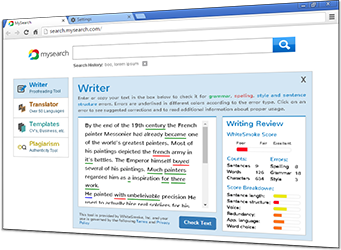
Keep these tips handy when you write your refusal letter and you will be off to a good start. Use WhiteSmoke for your proofreading and you can be sure your refusal letter reads correctly. WhiteSmoke also has other tools that will aid your writing, including a proprietary English dictionary and a powerful synonym finder.
If you are totally stuck for words, WhiteSmoke can help in two ways. First is the unique text enrichment software. Text enrichment takes your sentences, scans them thoroughly, and then offers synonyms, adverbs and adjectives that can improve the power of your writing. Secondly, for those days when you just don't know where to start, WhiteSmoke contains over 600 letter templates for almost any letter you will need to write. With WhiteSmoke, you will always be ready to write.
With WhiteSmoke, you have all the writing technology you need for your refusal letter, and any other English text.